Tag: Belorado

  • Stage 11. Belorado – Agés

    Stage 11. Belorado – Agés

    Until km 11-12, the route was a relatively easy uphill but monotonous, surrounded by rolling hills and expansive fields. The standout stop in this stretch was La Taberna de Espinosa, a delightful hostel with a bar in Espinosa del Camino. The hosts were warm, welcoming and with a good sense of humor, but the real highlight was their toast: toasted bread, local tomatoes and champignons combined into what might be the best toast tasted in a long time! A strong recommendation for anyone passing through.

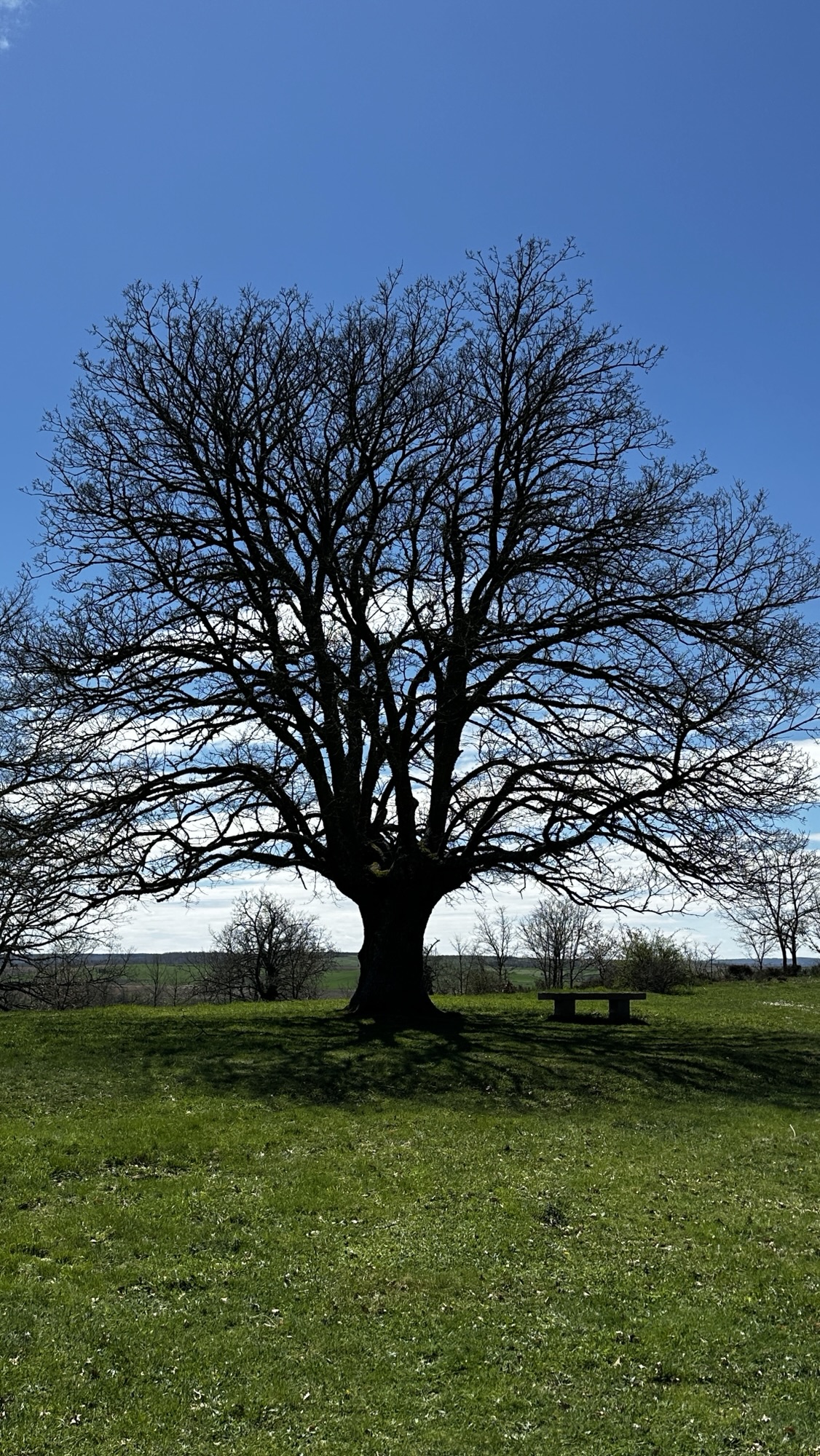
    Passing Villafranca Montes de Oca, the landscape changed. A steep and somewhat longish climb emerged, adding excitement to the route. For those who enjoy a good uphill challenge, this section was a treat. After conquering it and reaching 1100+ meters of elevation, next 15 km were rewarding: oak, pine, and heather forests dominating the trail, bringing cool shade and a tranquil atmosphere while slowly rolling down the mountain.

    Elevation Belorado- Agés stage

    This woodland stretch continued all the way to San Juan de Ortega, a tiny town with many terraces, a perfect spot to pause if you need to. From there, another less forested path led us directly to Agés.

    Main square San Juan de Ortega

    Tonight’s stop is at Albergue El Pajar de Agés, a pleasant place with shared rooms with eight beds (15 euros per night). Linen options include single-use (1 euro) or washable sets (7 euros). While there’s no kitchen, amenities like a microwave, water heater and coffee vending machine are available. Laundry and drying services cost 5 euros each.

    For a quick bite, a veggie soup at a small corner establishment did the trick, though hunger wasn’t high thanks to a steady intake of bananas and bars throughout the day. We booked dinner at the same spot, ordering a vegetable paella – the place looked promising at midday, so hopes are high.


  • Stage 10. Santo Domingo de la Calzada – Belorado

    Stage 10. Santo Domingo de la Calzada – Belorado

    One of the most noticeable aspects of this stage is its proximity to highly transited roads. While the trail is well separated from the traffic, the constant hum of passing trucks and the gusts of wind they generate are ever-present companions. It’s a reminder that even on a pilgrimage, modern infrastructure is never far away.

    Another striking change was the landscape itself. Gone were the vineyards that had accompanied us in the last two days. Instead, vast fields of wheat stretched in every direction.

    Even after completing the stage, I felt good and ventured a few kilometers alone to view the remains of a castle from the mountain’s edge and wander through a nearby forest and camps. Even at 900 meters altitude, wheat fields still dominated the terrain. Guess this is the agricultural theme of this region.

    Overall, this stage does not boast many remarkable sights, but it does pass through Viloria de Rioja, the birthplace of Santo Domingo de la Calzada, who was born in 1019. His house stood for centuries until it finally collapsed in 1980, according to a note left at the site. Though little remains of his original home, his legacy continues to shape the Camino and the town that bears his name.

    We stopped at Albergue Cuatro Cantones, a welcoming and well-maintained place. The price for a bed in a shared room of 20-22 people is 15 euros, while smaller rooms were available for around 17 euros.

    The facilities are thoughtfully arranged, with each room having a separate space containing two toilets, two sinks, and two showers. Each bed is equipped with its own power supply and light, a small but appreciated detail.

    The albergue also has its own restaurant, offering lunch and dinner (I remember seeing a vegetarian option but can’t remember what it is), but not breakfast. While there is no kitchen, there is a place with a microwave, water heater, fridge and a vending machine stocked with snacks, chocolates, beers and coke. There is also a coffee machine but I did not see what flavors it has or the cost. Kitchen supplies are sparse and I didn’t notice any salt or spices, but overall, the place has a warm and inviting atmosphere.

    Finding a vegan-friendly meal proves to be challenging on St. James Way; we settled for a bar-restaurant that offered a lentil dish as the main course, with vegetables and potatoes ordered as separate dishes. While it wasn’t an exceptional meal, it was nourishing enough to keep us going. As always, I won’t share the name of the place, or link, unless I fully recommend a place, which isn’t the case here.

    For dinner, we kept it simple – just infusion tea and some local sweets for me (non-vegan).